


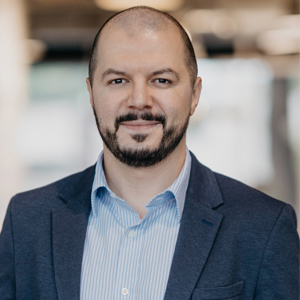
Zamir Shukho
Zamir Shukho is the Founder and General Partner of Vibranium.VC, with over 22+ years of professional experience in venture capital and innovation. He has a background as a serial entrepreneur and is recognized as an expert in venture capital, management, and corporate innovation. Additionally, he serves as a mentor at top accelerators, including 500 Global, Techstars and Alchemist. He is a contributor at Entrepreneur and a certified startup coach at Stanford University.
Over the past few years, venture capital has gone through a meaningful reset. The exuberance of 2020–2021, when capital was abundant and speed often mattered more than discipline, gave way to a much more cautious and deliberate environment starting in 2022. That shift significantly changed how companies raise money, how investors evaluate risk, and what is expected from founders building businesses today.
The most visible change was the slowdown itself. As markets froze in 2022, venture deals became fewer, and funding rounds that once closed in weeks began to stretch into months. Venture firms took more time to complete due diligence, internal investment committees became more conservative, and valuation expectations reset. For founders, this meant one thing above all else: runway suddenly mattered again.
Companies that previously planned for 12 to 18 months of runway found themselves needing 24 months or more to reach the next milestone safely. In response, investors began to expect portfolio companies to reduce spending, prioritize core initiatives, and make more deliberate choices about growth. This was not about stopping innovation, but about becoming far more intentional with resources.
At the same time, the underlying business models many startups relied on began to change. Traditional SaaS models built around per-seat subscriptions came under pressure, especially as enterprise customers scrutinized budgets more closely. In many cases, consumption-based pricing or deliverable-driven models became more attractive, aligning revenue more closely with real usage and value creation. Founders were expected not just to build features, but to rethink how customers pay and why they stay.
Artificial intelligence accelerated these shifts. While AI opened new opportunities, it also raised the bar. Building AI features was no longer enough; companies had to implement them thoughtfully, ensuring they delivered real value rather than novelty. Investors became increasingly selective, recognizing that while a small number of proprietary AI companies might attract intense interest, the majority of application-layer startups would face the same failure rates seen in previous technology waves. The reality remains that most startups, regardless of hype, do not succeed.
“Venture firms took more time to complete due diligence, internal investment committees became more conservative, and valuation expectations reset. For founders, this meant one thing above all else: runway suddenly mattered again.”
In this environment, agility and discipline became essential founder traits. Investors began looking for teams that could operate scrappily, extend their runway without sacrificing momentum, and plan their next fundraising round well in advance. Systematic fundraising—clear targeting of the right investors, strong data rooms, and early relationship building—became critical, particularly for companies aiming for a Series A in a more competitive market.
Equally important was competitive awareness. Product cycles are faster than ever, and new features can reach the market in weeks, not years. Founders must constantly monitor competitors, adjacent markets, and shifting customer expectations. The margin for complacency is thin.
These changes also reframed the role venture capital should play beyond simply providing capital. In a tighter market, “smart money” matters more than ever. Capital alone is not enough; founders benefit most from investors who bring judgment, pattern recognition, and access to meaningful networks.
At its best, venture capital provides founders with trusted partners. When team members face challenges, they go to the CEO. When CEOs face challenges, they often turn to trusted advisors and investors. Building that relationship— one grounded in honesty, mutual respect, and long-term thinking—is a core responsibility of a venture capitalist.
This support can take many forms. Experienced investors can help founders avoid common pitfalls by sharing lessons learned from hundreds of prior companies. They can facilitate introductions to early customers, pilot partners, or strategic collaborators. They can also help founders navigate difficult moments, from executive hiring decisions to market pivots, with a clearer perspective.
However, not all advice is equal. One important lesson for founders is to be selective about which guidance they follow. While many venture capitalists are thoughtful and well-intentioned, only a subset have firsthand experience running companies. There is a meaningful difference between advising based on observation and advising based on lived experience.
Founders should ensure that at least one or two investors in their round have built and operated companies in the past— people who understand the emotional weight of leadership, the tradeoffs involved in scaling, and the practical realities of execution. These investors are often better equipped to support founders through uncertainty, not just through success.
Ultimately, the venture ecosystem is maturing. The current funding climate rewards clarity over hype, resilience with speed, and partnership over transactions. For founders, this means building businesses that can withstand scrutiny, adapt quickly, and create real value. For investors, it means showing up not just as capital providers, but as stewards of experience, judgment, and trust.
This reset may feel challenging, but it is also healthy. It pushes both founders and investors to return to fundamentals: disciplined execution, thoughtful risk-taking, and long-term value creation. In that sense, the market is not broken - it is recalibrating.
